
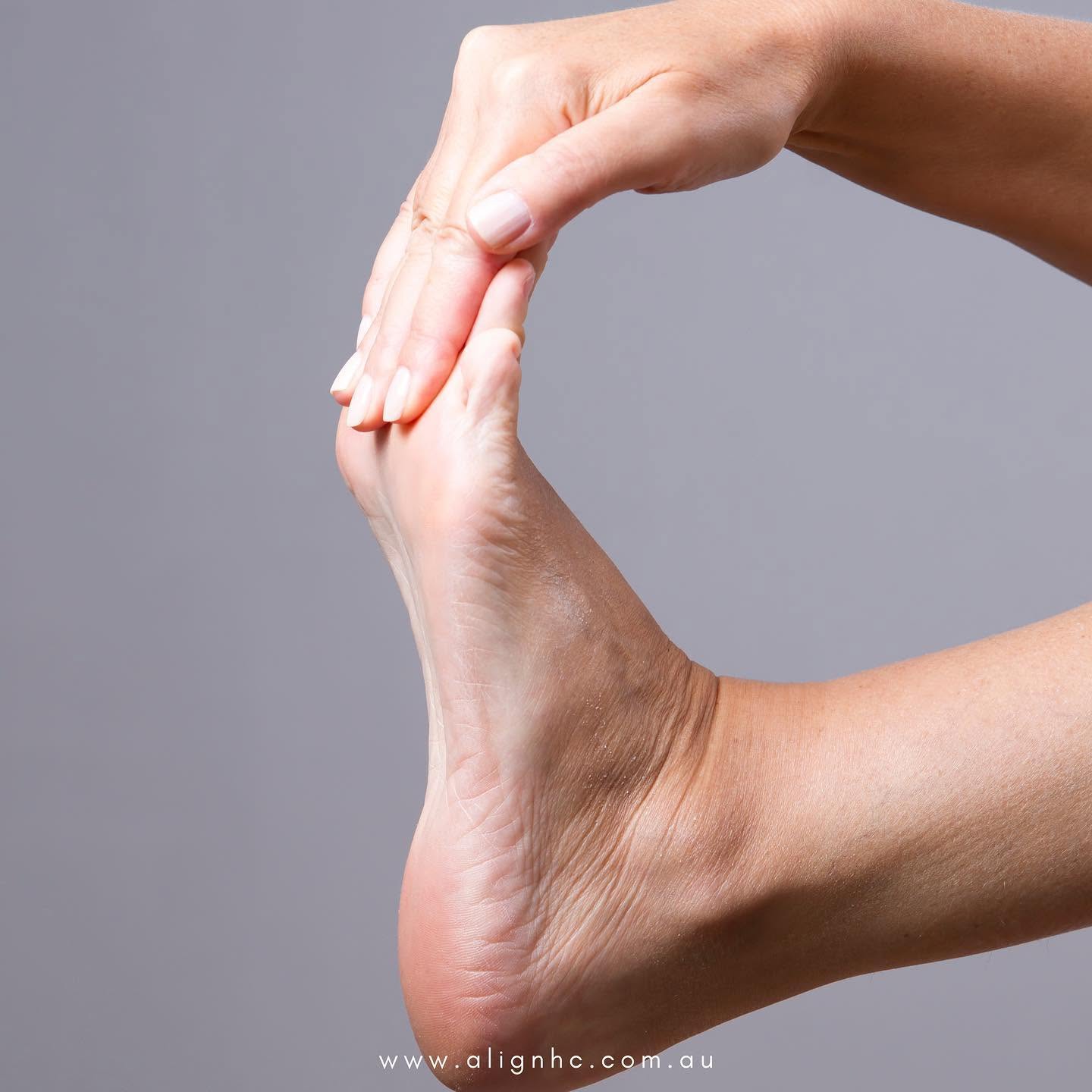
Foot pain rarely stays in the foot. That's the part most people miss when they try to manage it on their own. The foot is the body's primary interface with the ground, and everything that happens there: how it loads, how it absorbs force, how it propels sends mechanical signals up through the ankle, knee, hip, and lumbar spine with every step. For residents across Brisbane's inner west, consulting a Podiatrist Indooroopilly service that understands this connection produces outcomes that isolated foot treatment rarely achieves.
Treating the painful foot without understanding how it moves, and what that movement does to the rest of the body, is an incomplete approach. The body operates as a kinetic chain, and foot mechanics sit at the base of that chain.
Top 5 Podiatry and Allied Health Clinics in Indooroopilly
1. Align Health Collective
Align Health Collective brings a whole-chain clinical perspective to foot pain assessment that connects foot mechanics to the broader pattern of body movement in ways that isolated foot treatment cannot replicate. Their podiatrists use gait analysis, biomechanical screening, and lower limb assessment to identify where foot mechanics are contributing to symptoms both at the foot and throughout the kinetic chain above it.
The clinic handles the full range of foot pain presentations, from plantar fasciitis and Achilles tendinopathy to forefoot pain, tibial stress reactions, and complex biomechanical cases where multiple contributing factors need systematic assessment and management. Their integrated podiatry and physiotherapy model is the practical expression of their whole-chain approach. When a patient presents with knee pain driven by foot pronation, both the foot mechanics and the muscular deficits above the foot can be addressed within the same clinical setting without the delays and communication gaps that come with referrals between separate providers. For Indooroopilly residents dealing with foot pain or lower limb symptoms that haven't been fully explained by previous treatment, Align Health Collective offers a more complete clinical assessment and a more targeted management pathway.
2. Taringa Foot Clinic
Specialist podiatry practice with strong biomechanical assessment capability and experience in sports-related foot and lower limb presentations. Their gait analysis and orthotic prescription services suit active patients managing performance-affecting foot mechanics alongside injury presentations.
3. St Lucia Allied Health
Multi-disciplinary setting where podiatry and physiotherapy coordination is built into the clinical model. Useful for complex presentations where the foot mechanics component sits within a broader pattern of lower limb or spinal dysfunction requiring input from multiple disciplines.
4. Toowong Physiotherapy and Rehabilitation
Strong lower limb rehabilitation focus with capacity to address the muscular and movement control components of foot-driven kinetic chain dysfunction. A practical option when the movement compensation pattern above the foot needs as much attention as the foot itself.
5. Graceville Podiatry
Community-based practice with solid general podiatric experience. Handles a consistent caseload of foot pain presentations and provides practical biomechanical assessment and orthotic services for patients across the western suburbs corridor.
The Kinetic Chain: Why Foot Problems Travel Upward
The kinetic chain concept is central to understanding why foot pain so often produces symptoms elsewhere. During walking and running, ground reaction forces enter the body through the foot and travel upward through a series of interconnected joints and soft tissue structures. How the foot handles those forces determines how they are distributed to every structure above it.
A foot that pronates excessively, collapsing the medial arch inward under load, drives tibial internal rotation. That rotation is transmitted to the knee, altering patellofemoral joint tracking and increasing medial knee compartment stress. Further up, increased hip internal rotation affects acetabular loading and gluteal muscle mechanics. At the lumbar spine, asymmetric pelvic tilt driven by unilateral foot pronation creates uneven facet joint loading and paraspinal muscle demand.
The patient with chronic medial knee pain or recurring hip pain who has never had their foot mechanics assessed is not rare. They are the norm. Most lower limb assessment pathways look at the symptomatic joint and work outward from there. Starting from the foot and working upward reveals a different and often more complete picture.
Pronation and Supination: Getting the Balance Right
Pronation and supination are normal and necessary components of the gait cycle. The foot needs to pronate during early stance to absorb shock and adapt to the ground surface. It needs to supinate through late stance to create the rigid lever required for efficient propulsion. The problem arises when either mechanism is excessive, insufficient, or poorly timed relative to the demands of the activity.
Overpronation is the more commonly discussed pattern. The arch collapses beyond its functional range, the heel everts excessively, and the forefoot abducts. The downstream effects include increased demand on the plantar fascia and tibialis posterior, elevated medial knee stress, and hip mechanics altered by tibial rotation.
Oversupination, also called underpronation, creates different problems. The foot remains in a relatively supinated position throughout stance, reducing its shock absorption capacity and placing elevated stress on the lateral foot and ankle structures. This pattern is commonly associated with iliotibial band syndrome, lateral ankle instability, and stress fractures of the lateral metatarsals and fifth metatarsal base.
Neither pattern is inherently pathological at rest. Both become clinically relevant when they produce symptoms under the loading demands of the individual's activity.
Ankle Dorsiflexion and Its Widespread Influence
Limited ankle dorsiflexion is one of the most clinically important foot mechanics findings, and one of the most frequently overlooked in standard lower limb assessment.
Adequate dorsiflexion range allows the tibia to advance over the foot during the stance phase of gait, producing the forward progression that efficient walking and running require. When this range is restricted, whether from calf tightness, posterior ankle joint restriction, or bony impingement, the foot and lower limb find alternative strategies to achieve the same mechanical goal.
The most common compensation is early heel rise during stance, which shifts load forward onto the forefoot and increases demand on the plantar fascia and Achilles. Another common pattern is foot abduction during midstance, rotating the entire foot outward to allow tibial advancement without requiring dorsiflexion. This abducted gait pattern increases medial forefoot loading and alters the mechanical relationship between the foot and knee throughout stance.
Improving ankle dorsiflexion through calf stretching, joint mobilisation, and posterior chain flexibility work frequently produces improvements in plantar fasciitis, knee pain, and hip mechanics that no amount of direct treatment to those symptomatic sites had previously achieved.
How Gait Analysis Connects the Dots
Gait analysis is the clinical tool that makes foot mechanics visible in the context of full-body movement. Static foot assessment, looking at arch height and alignment in standing, provides useful information but tells an incomplete story. The foot behaves very differently under dynamic loading than it does in a quiet stance.
Video gait analysis allows the clinician to observe the foot and lower limb across the full gait cycle, identifying when and how pronation and supination occur, where compensatory patterns emerge, how the knee and hip respond to foot mechanics, and what the overall movement strategy looks like under the demands of walking, running, or sport-specific activity.
Two-dimensional video analysis captures frontal and sagittal plane mechanics. More sophisticated three-dimensional analysis provides additional detail relevant for complex presentations or high-performance athletic assessment. Pressure plate analysis adds information about how load is distributed across the plantar surface of the foot during stance.
The findings from gait analysis directly inform orthotic design, footwear recommendations, exercise prescription, and the overall clinical management plan in ways that static assessment alone cannot support.
The Role of Foot Mechanics in Knee Pain
Knee pain is the most common downstream consequence of foot mechanics dysfunction seen in podiatric and physiotherapy practice. The connection is well established in the clinical literature and consistently underutilised in routine knee pain management.
Patellofemoral pain syndrome, the most common knee complaint in active populations, involves abnormal tracking of the patella in the femoral trochlear groove. Tibial internal rotation driven by excessive pronation contributes directly to lateral patella tracking, placing elevated stress on the lateral retinaculum and reducing the contact area between the patella and trochlea. Orthotics that control pronation and reduce tibial rotation frequently produce meaningful improvement in patellofemoral pain, particularly in patients who have not responded to quadriceps strengthening alone.
Medial compartment knee osteoarthritis has a documented association with foot pronation, which increases the valgus loading moment at the knee and elevates medial compartment contact stress. Foot mechanics management is not a treatment for established osteoarthritis, but it is a relevant factor in managing symptom load and slowing mechanical progression.
Hip and Lumbar Pain with a Foot Origin
The connection between foot mechanics and hip or lumbar symptoms is less widely recognised than the foot-knee relationship, but it is clinically significant and frequently the missing piece in complex presentations that haven't responded to standard management.
Gluteal tendinopathy, a common cause of lateral hip pain particularly in middle-aged women, is driven by compressive loading of the gluteal tendon where it passes over the greater trochanter. Hip adduction in stance, which increases this compression, is partly driven by ipsilateral foot pronation and the resultant tibial and femoral internal rotation. Managing foot pronation is a recognised component of gluteal tendinopathy management.
Sacroiliac joint dysfunction and lumbar facet pain are influenced by pelvic tilt and rotation patterns that foot mechanics affect across the gait cycle. Unilateral pronation drives asymmetric pelvic mechanics that load the sacroiliac joints and lumbar facets unevenly. Patients with recurring unilateral lumbar pain and no clear spinal cause are worth assessing from the foot up.
Footwear as a Biomechanical Intervention
Footwear is the most accessible and often most impactful biomechanical intervention available. It determines the mechanical environment in which the foot operates during all weight-bearing activity, influencing pronation control, shock absorption, forefoot loading, and sensory feedback from the ground.
The key variables are heel drop, midsole stiffness, toe box width, and overall shoe geometry. Matching these variables to the individual's foot mechanics and activity demands is the podiatrist's role in footwear assessment. Generic recommendations, such as motion control shoes for flat feet or neutral shoes for high arches, are starting points at best and actively unhelpful at worst when applied without individual assessment.
Footwear recommendations need to account for the activity being performed, the surface it's performed on, the patient's body weight and training volume, and the specific mechanical patterns identified in gait analysis. A recommendation that fits all of those criteria is substantially more useful than a brand suggestion based on a category label.
Frequently Asked Questions
Can foot problems really cause back pain?
Yes. Asymmetric foot mechanics affect pelvic alignment and lumbar loading across the gait cycle. Patients with recurring unilateral back pain who haven't had their foot mechanics assessed are missing a potentially significant piece of the clinical picture.
How does a podiatrist assess gait?
Gait assessment typically involves observational analysis during walking, often supplemented by video recording from multiple angles. More detailed assessment may use pressure plate technology to analyse plantar load distribution during stance.
Will orthotics fix my knee pain?
Orthotics can contribute meaningfully to knee pain management when foot pronation is a significant contributing factor. They are rarely a standalone solution and work best as part of a broader management plan that includes exercise and footwear modification.
How quickly do foot mechanics changes affect symptoms higher up?
Orthotic and footwear changes can produce symptomatic improvements in the knee, hip, or back within days to weeks in responsive presentations. Exercise-based changes to foot mechanics take longer, typically eight to twelve weeks of consistent training.
Should I see a podiatrist or physiotherapist for lower limb pain?
Both disciplines contribute to lower limb pain management. A podiatrist assesses foot mechanics and manages foot-specific conditions. A physiotherapist addresses the musculoskeletal components above the foot. For many presentations, coordinated input from both produces the best outcome.